Addressing psychosis in Parkinson disease
Read More
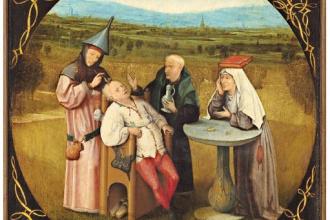
“Each physician has a different nature. One believes in the principle: premum non nocere (do no harm). The other says: melius anceps remedium quam nullum (better a dangerous remedy than nothing). I lean toward the second category.” —Gottlieb Burckhardt, the father of psychosurgery (1891)[1]
Read MoreThe College would like to thank Dr Holtby for his submission to the BCMJ regarding the quality of information provided by a referring physician on behalf of their patient. While physicians seldom raise this as a formal matter with the College, his views are undoubtedly shared by many in the profession—both consulting and primary-care physicians alike.
The College agrees that in a patient-centred health care system, physicians have a duty to provide clear and comprehensive request-for-consultation letters supplemented by supporting documentation.
Read MoreThe content and clarity of requests to provide a specialty opinion have perceptibly declined over my career as a consultant in respiratory and sleep medicine. Incomplete and inadequate referrals now hobble my work daily. Referring physicians’ questions or concerns are often vague and sometimes completely opaque. Referrals are not accompanied by the results of tests already done or reports on therapies already tried. Summaries of active issues and major prior issues are rarely provided.
Read MoreThank you for Dr E.M. Wong’s sensitive review of books about death and dying [BCMJ 2017;59:235-238]. I found especially striking her comment, “When we cannot recommend further medical intervention, we can still offer companionship as patients gather strength to live out their remaining days in shared meaningfulness.” During the last year of my husband’s life, he enjoyed the routine visits to our family doctor.
Read More